
Dr. Fletcher Christensen
Fletcher Christensen is an associate professor of statistics in the Department of Mathematics and Statistics at the University of New Mexico. On this page, you will find information on his research interests and work, the courses he has taught, and some of his personal hobbies. If you want to contact Dr. Christensen, please use the email button provided in his profile.
I have been appointed a UNM-CAS AI Literacy Faculty Fellow. Check out some of my work on this project.
Following my promotion to Associate Professor in Fall 2025, I will be going on sabbatical for the 2026-2027 academic year.
- My teaching portfolio at UNM includes the following classes:
- Stats 345 -- Elements of Mathematical Statistics and Probability
- Stats 477/577 -- Introduction to Bayesian Modeling
- Stats 579 -- Intermediate Bayesian Modeling
- Stats 579 -- (Capstone) Real Big Data
- In addition, I regularly coordinate:
- Math 1300 -- Statistical Literacy
- And I am currently developing:
- Stats 411/511 -- Ethics of Data Science
- I am currently supported by:
- An NIH R33 grant for "The Synchrony Study", an experimental study examining the use of music therapy for children and adolescents with fetal alcohol syndrome disorder.
- The UNM College of Arts and Sciences AI Literacy Faculty Fellows program
- My current research foci are:
- Bayesian model selection methods (w/ Wesley O. Johnson, UC Irvine)
- Bayesian interim analysis methods (w/ Maj Victoria R.C. Sieck, USAF)
- Preference elicitation for multi-attribute utility problems (w/ Lekha Patel, SNL)
- My current advisees are engaged in research on:
- Zach Stuart (New Orleans Saints) - Mixed-data methods for non-contact lower-limb injury classification among NFL players
- Pavan Datta (Sandia National Labs) - Variational inference methods
- Jared DiDomenico - Bayesian approaches to addressing the replicability crisis
- Erin Schwertner-Watson - Bayesian feature selection methods
- Sina Mokhtar - Anomaly detection in multi-channel time-series data
- In my free time, I am:
- Studying up on large language models
- Singing in a local choir
- Reading Matt Dinniman's Dungeon Crawler Carl series
- Playing Dungeons & Dragons
Research Interests
My research interests focus on the development and application of Bayesian methods. In particular, I work on problems involving interim analysis and stopping rules, incorporating informative priors, and model selection. I am also interested in foundational issues such as decision theory and the philosophical roots of statistical methods. My background in cognitive sciences and biostatistics makes these two of my preferred areas for applied collaboration.
Bayesian Statistics
Interim Analysis and Stopping Rules
In some experimental studies, because of issues like cost or safety, it may be advantageous to stop data collection prior to the planned study end. In Bayesian statistics, thanks to the stopping rule principle, inferences are not changed by the choice of when to end a study. Interim analysis methods let us evaluate a study's expected probability of success/futility based on pre-specified decision rules while the study is ongoing, and can allow for early stopping of studies when their eventual results seem clear prior to the planned study end.
Incorporating Informative Priors
Another way to improve research efficiency comes from the inclusion of informative priors in Bayesian analyses. My work with informative priors focuses on two approaches: eliciting expert information from subject matter experts using conditional means priors, and incorporating prior study data using power priors.
Model Selection
George Box famously said, "All models are wrong, but some are useful." Model selection determines which among a collection of candidate models are most useful for a particular scientific task (e.g. hypothesis generation, prediction). Research on Bayesian model selection takes many forms, from the analysis of Bayesian model selection criteria to the careful use of informative prior distributions to learn more about posterior probabilities for various models.
Foundations
Decision Theory
Decision theory is the one-player version of game theory. In a given situation, it relates the actions one can take to the unknown states of nature that will determine the consequences of taking that action. The discipline of decision theory attempts to choose the optimal action under uncertainty, given one's valuation of the consequences that may ensue and one's beliefs about the probability that those consequences will eventuate. Decision theory underlies a great deal of the development of modern statistics.
Philosophical Foundations
Good statistical thinking depends on our understanding of epistemology and the philosophical roots of scientific inquiry. How do we know what we know? What constitutes knowledge? Bayesian notions of probability and learning provide (in my opinion) the best solution to Hume's problem of induction. Statistics functions best when informed by a sense of how statistical methods address important difficulties in the rational acquisition of knowledge.
Collaborations
Mind Research Network
The Mind Research Network (MRN) is an independent non-profit organization that focuses on imaging technology for neuroscience investigation. I am currently working with them on an NIH R33 grant looking at the effectiveness of music therapy on children and adolescents with fetal alcohol syndrome disorder. My previous work with MRN has involved assessing functional connectivity differences between healthy controls and patients with schizophrenia.
Sandia National Laboratories
My work with Sandia National Labs has focused on anomaly detection methods—especially in cost-constrained situations. This work has variously involved feature selection, multi-attribute utility theory, multi-channel time-series data, and applications in cybersecurity.
US Air Force
With my former student (Maj Victoria R.C. Sieck, PhD) I have done work on interim analysis and adaptive design methods for operational testing scenarios.
Other Collaborations
I have done some other collaborations with academic partners at UC Irvine and UNM, especially in applications involving population health and neuroimaging. I am always interested in collaborating on interesting problems with Bayesian angles to them, especially in biostatistical and psychometric domains where I have a bit more knowledge going in. If you have a problem you think I might find interesting, please let me know by email.
Past Courses


STATS 345 – Elements of Mathematical Statistics
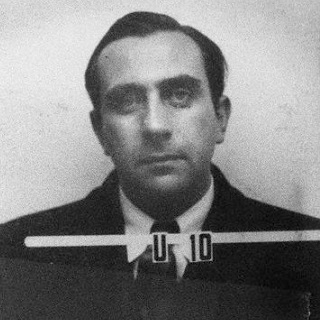
Elements of Mathematical Statistics teaches students about uncertainty: how to express it mathematically, how to understand it probabilistically, and how to deal with it statistically. When I teach this course, I spend the first half of the semester focusing on probability rules and common probability distributions. In the second half of the semester, I apply what we've learned about probability to real-world data, introducing statistical analysis and explaining its role in scientific inquiry.
Previous Terms
Spring 2018
Syllabus: sp18syllabus.pdf
STATS 477 / 577 – Introduction to Bayesian Modeling
Introduction to Bayesian Modeling is a first course in applied Bayesian data analysis. Knowledge of probability and regression modeling is expected. Students are introduced to subjectivist notions of probability and how outside expert information can be incorporated into data analysis through informative prior distributions. As I teach it, this course is heavily focused on statistical thinking and data analysis—not on the deeper math associated with Bayesian inference and MCMC methods.
Previous Terms
Data Analysis – Guides and Examples
Data Analysis Guide: Data_Analysis_Guide.pdf
Diasorin Data Analysis: Diasorin_DA.pdf
Poly-Aromatic Hydrocarbon Data Analysis: PAH_DA.pdf
Spring 2018
Syllabus: sp18syllabus.pdf
STATS 579 – Intermediate Bayesian Modeling
Intermediate Bayesian Modeling builds on the material from STATS 477 / 577 by providing a deeper exploration of Bayesian inference and Monte Carlo methods. This course includes proofs as well as more detailed mathematical treatments of key Bayesian results. The Metropolis-Hastings algorithm is introduced and students are guided to program their own sampling algorithms.
Course Information
Room: Dane Smith Hall, Rm. 318
Time: Tuesday & Thursday, 12:30pm – 1:45pm
Prerequisites: STATS 477 / 577 – Introduction to Bayesian Modeling
Syllabus: fa18syllabus.pdf
Readings and Demonstrations
De Finetti on Exchangeability
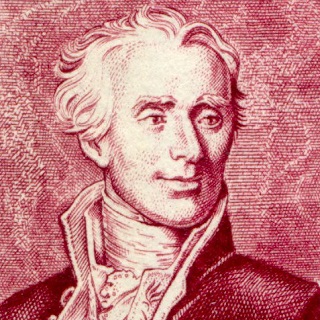
The material here is derived from a series of lectures De Finetti gave at the Henri Poincaré Institute (IHP) in 1935. De Finetti's Theorem is expounded and proven in Chapter 3, with further discussion of exchangeability continuing in Chapters 4 and 5. Earlier, in Chapters 1 and 2, De Finetti gives his own development of the notion of probablity—which makes for entertaining reading, but is not of critical importance for this class. Chapter 6 provides a philosophical summation of De Finetti's perspective and how this work fits into that perspective.
Dr. Christensen's Model Selection Review (Dissertation)
Chapter 3 of my dissertation included a review of many of the model selection tools we've discussed in class, including a proof for the asymptotic equivalence of DIC and AIC under certain conditions. If you're looking for a good textual review of what I've done in lecture, this should work well.
Cavanaugh on AIC
Cavanaugh & Neath on BIC
UIowa's Joe Cavanaugh is an expert on model selection and information criteria. He is particularly good at distilling difficult mathematical arguments into easy-to-follow derivations. In the above papers, he lays out the detailed theoretical justifications for AIC and BIC in a way that should be understandable to well prepared students of statistics.
DIC for Missing Data Models
Celeux et al. (2006) provide an in-depth discussion of how DIC can be operationalized for missing data models (including mixed models). Aside from its application to DIC, this is a good read purely for how it asks the reader to think harder about the deeper structure of missing data models.
Visual Demonstration of MC Methods
Chi Feng, a research assistant at MIT's computational design laboratory, created an interactive gallery for visualizing different Monte Carlo sampling algorithms. Many of the algorithms demonstrated here are ones we haven't talked about in class, but this can help us visualize the behavior of the Metropolis algorithm as well as Hamiltonian Monte Carlo.
Mustafa Salman's Version
One of my Bayes students, Mustafa Salman, forked Chi Feng's original code and added a rejection rate display in the top-left corner. This allows us to view the same demonstrations, but to also better understand how modifying the tuning parameters affects the rejection rates. Good for understanding optimality issues. (GitHub code available here)
Assignments
Homework
Homework 1 (tex) – Due 20 September (Solutions available)
Homework 2 (tex) – Due 9 October (Solutions available)
Homework 3 (tex) – Due 16 October (Solutions available)
Homework 4 (tex) – Due 13 November (Solutions available)
Final Project
Instructions (tex) – Due 13 December by 12pm (noon)
citations.csv – Data file for final project
Curriculum Vitae
Fletcher G.W. Christensen, PhD
Associate Professor
Albuquerque, NM
ronald@stat.unm.edu
(505) 277-4613
Education
University of California – Irvine
Sep 2012 – Dec 2017
Ph.D. in Statistics
University of New Mexico
Aug 2009 – May 2012
M.S. in Statistics
University of Sheffield
Oct 2004 – Dec 2006
Pg.Dip. in Japanese Language and Culture
University of Oklahoma
Sep 1999 – May 2004
B.A. in Psychology
University of Oklahoma
Sep 1999 – May 2004
B.S. in Mathematics
Awards
UNM-CAS AI Literacy Faculty Fellow
Mar 2026
UNM Early Career Teacher of the Year
Apr 2021
Phi Beta Kappa
May 2004
Languages
English
Japanese
French
Work Experience
University of New Mexico
Jul 2025 – Current
Associate Professor of Statistics
Jan 2018 – Jun 2025
Assistant Professor of Statistics
University of California – Irvine
Sep 2012 – May 2017
Graduate Teaching Assistant
Mind Research Network
Aug 2010 – May 2012
Graduate Research Assistant
University of New Mexico
Aug 2009 – May 2010
Graduate Teaching Assistant
Hida Takayama High School
July 2004 – July 2007
Assistant Language Teacher (JET Program)
Selected Research
Apr 2024
"Flexible, efficient borrowing: A power prior structure for Bayesian interim analysis" – Article in Quality Engineering
Nov 2021
"A framework for improving the efficiency of operational testing through Bayesian adaptive design" – Article in Quality and Reliability Engineering International
Jan 2017
"Associations between urinary biomarkers of polycyclic aromatic hydrocarbon exposure and reproductive function during menstrual cycles in women" — Article in Environment International
Aug 2014
"Thalamus and posterior temporal lobe show greater inter-network connectivity at rest and across sensory paradigms in schizophrenia" – Article in Neuroimage
Nov 2013
"Nonparametric regression estimators in complex surveys" – Article in Journal of Statistical Computation and Simulation
Japan

Strolling down Ninen-Zaka
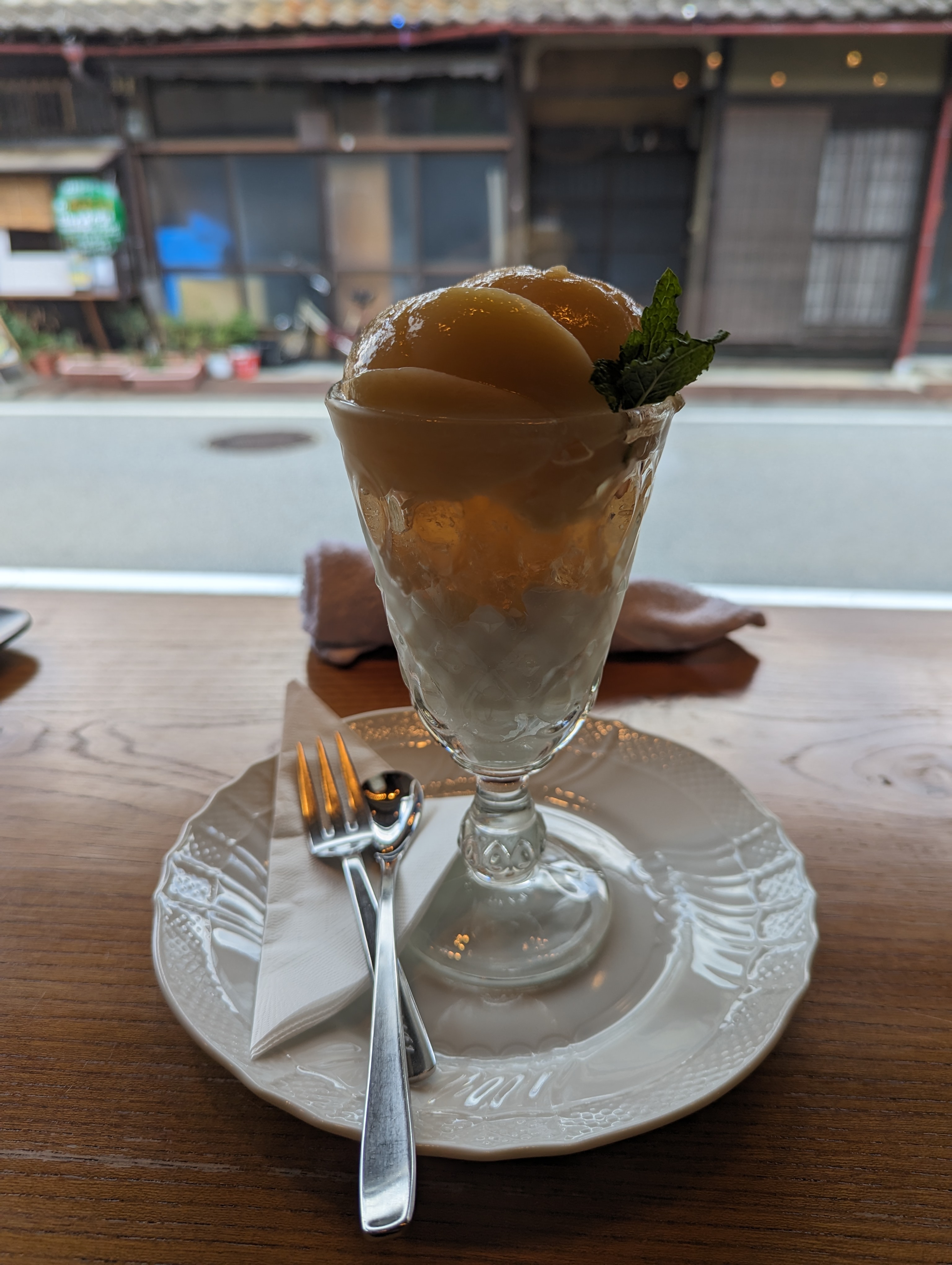
Grabbing dessert in Takayama

Ruins of the Hiroshima Prefectural Industrial Promotion Hall
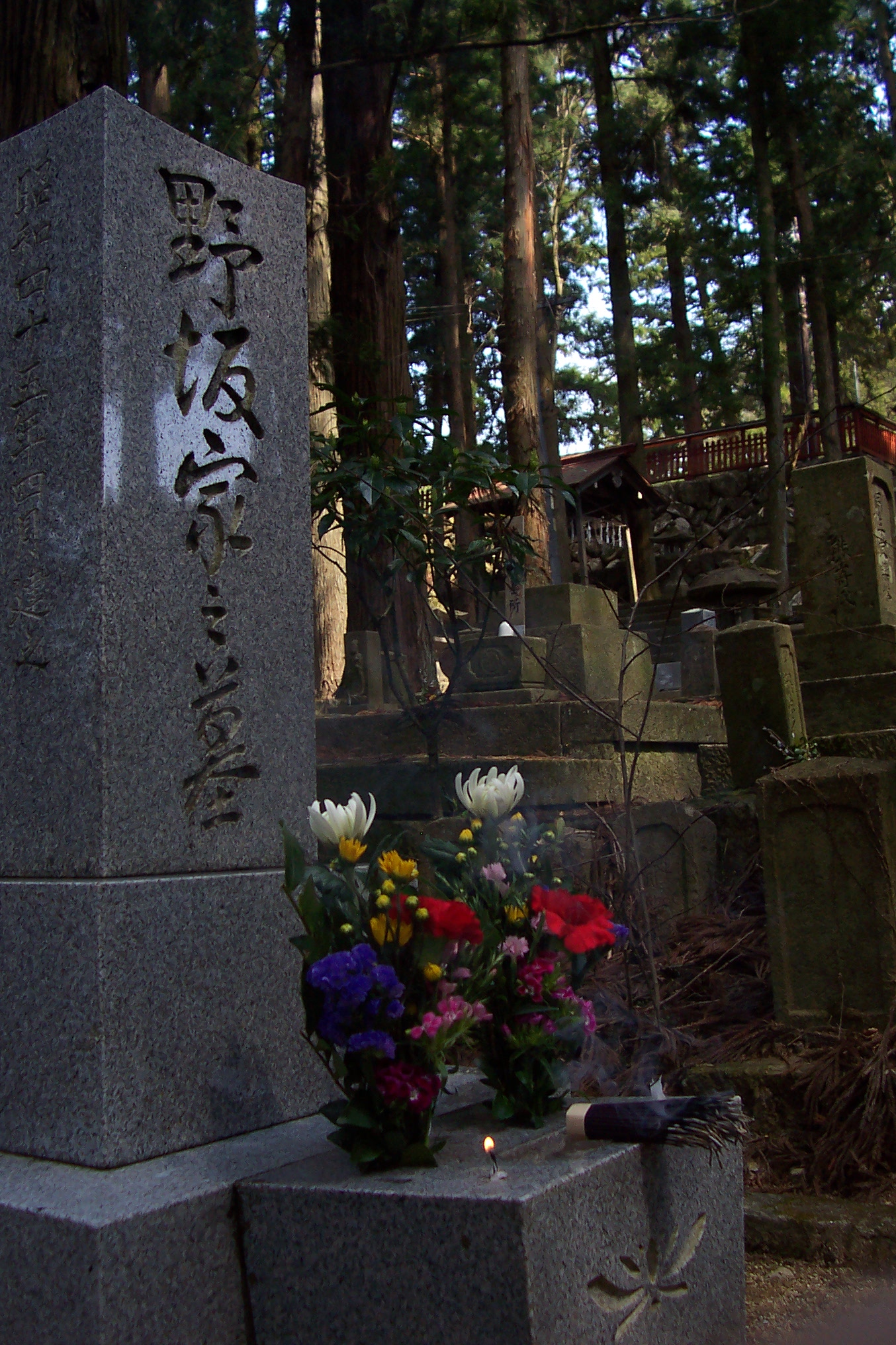
Gravestone in Hida Takayama

The White Heron Castle

The torii at Fushimi-Inari

My mortal weakness...

Cherry blossoms in Osaka
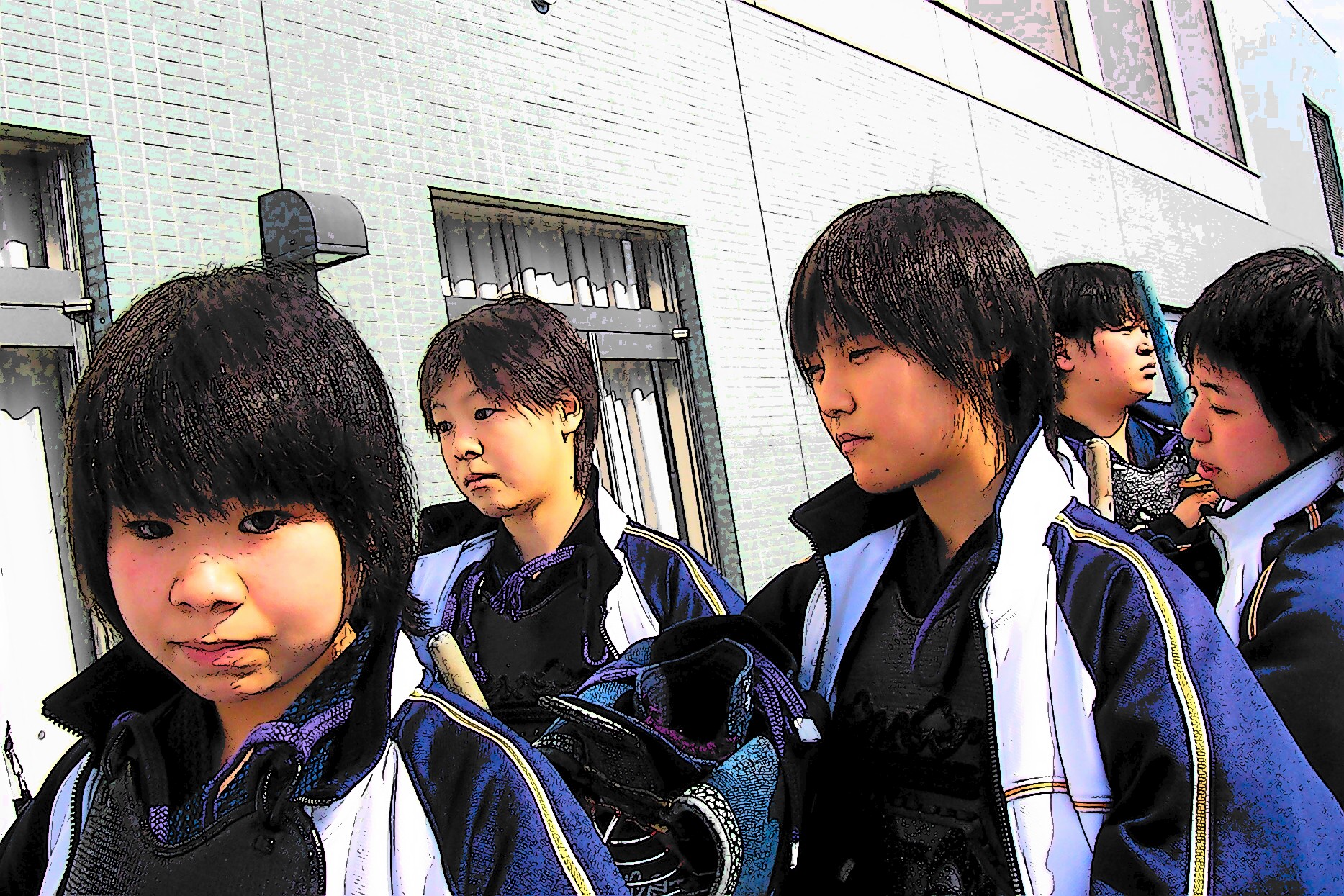
The kendo club

The golden pavillion

The Great Buddha Hall in Nara

The Pure Water Monastary on Otowa-san

Friends dressed as maiko
Great Britain
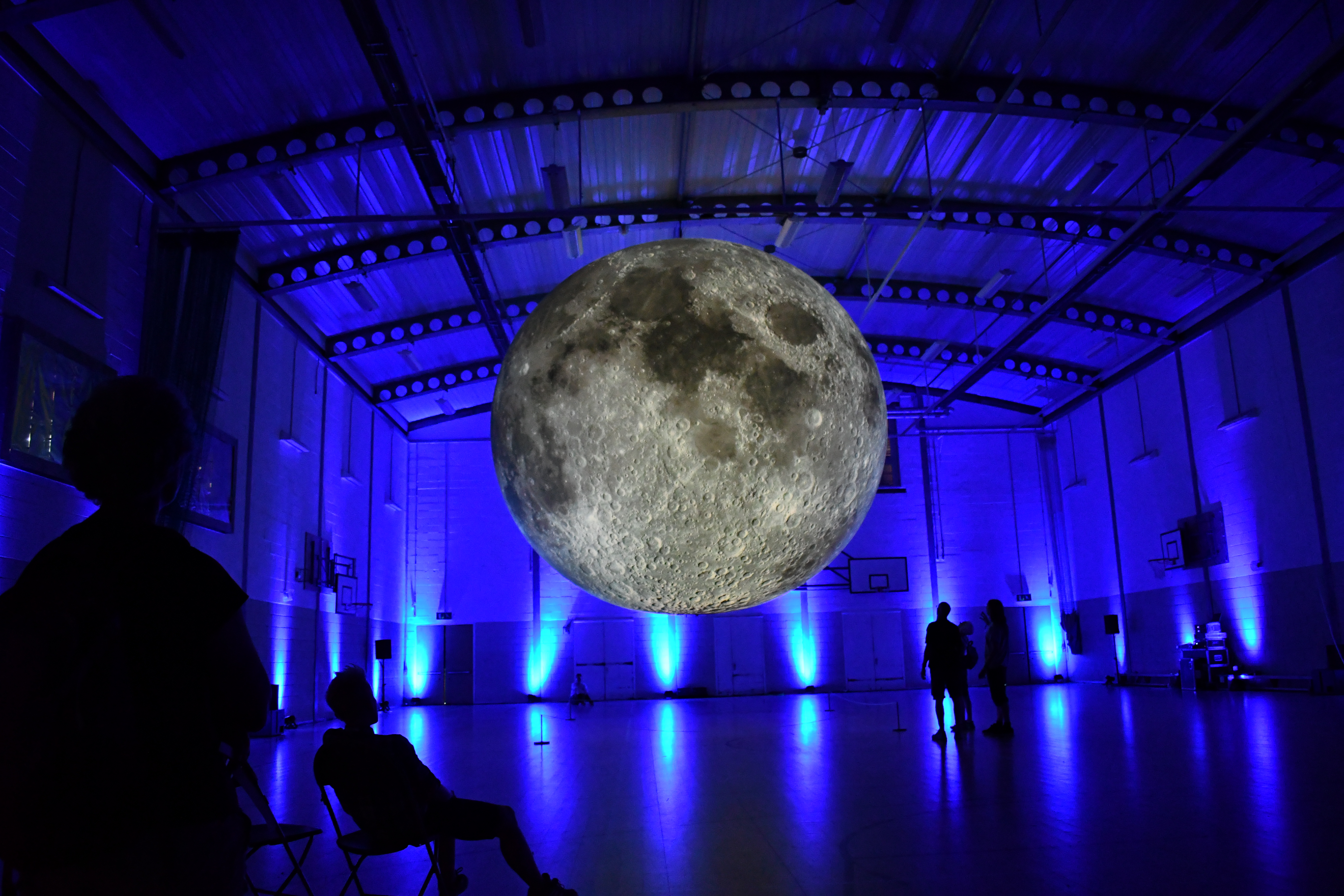
"Museum of the Moon" in Bristol

A bridge in the Cairngorms

A visitor at St. Cuthbert's
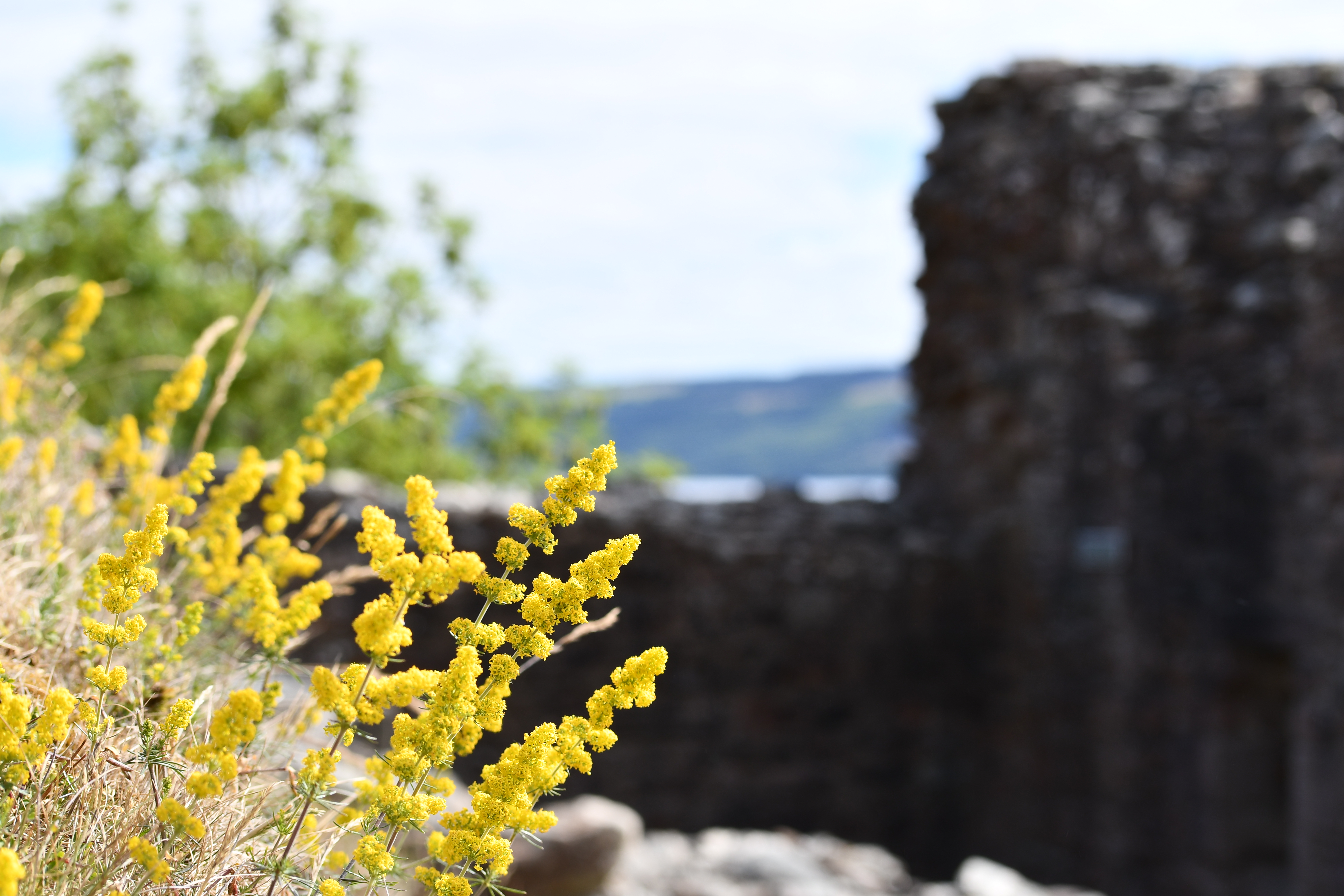
Flowers at Urquhart Castle

Digitalis (Foxgloves)

Aboard the London Eye
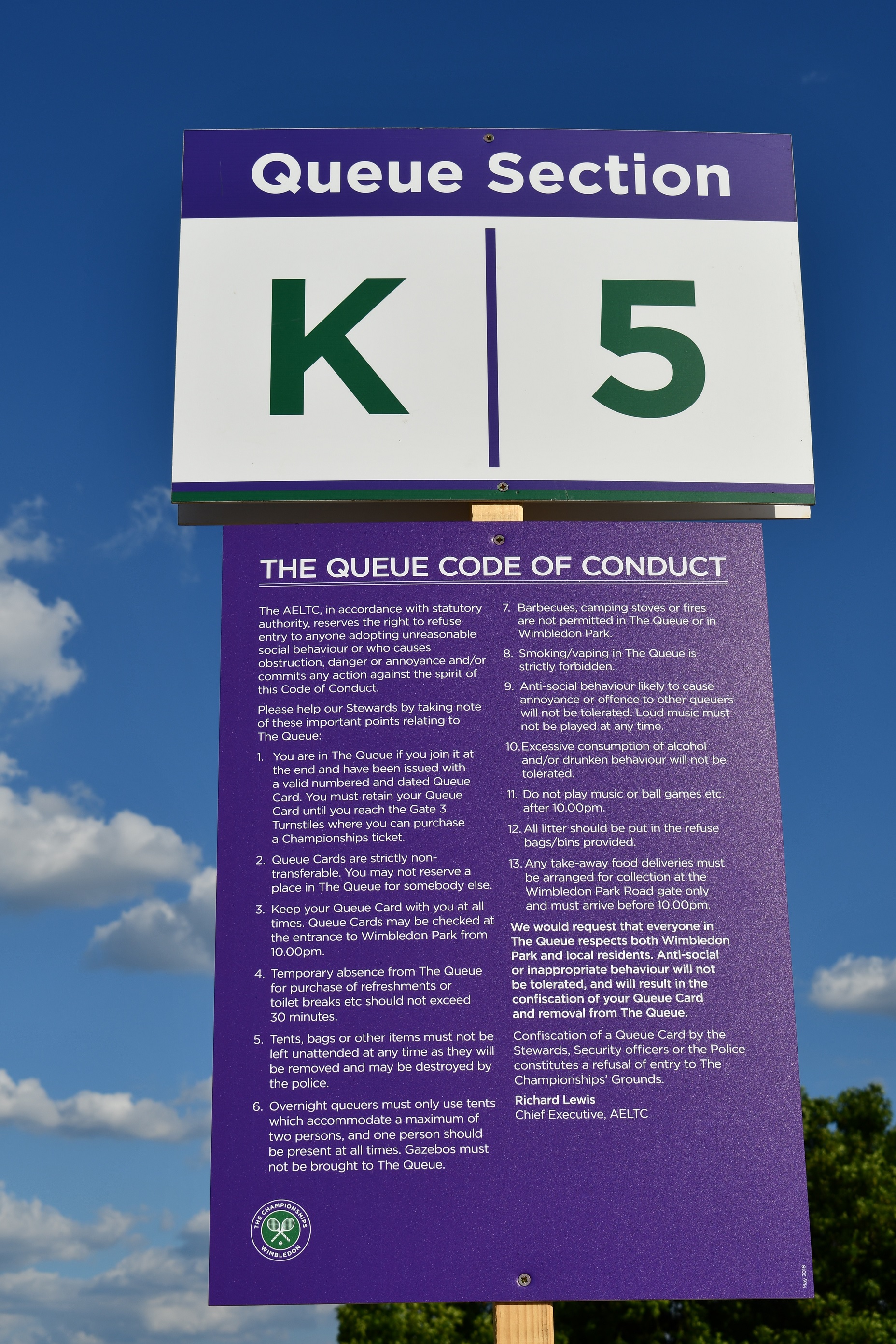
Queue rules at Wimbledon
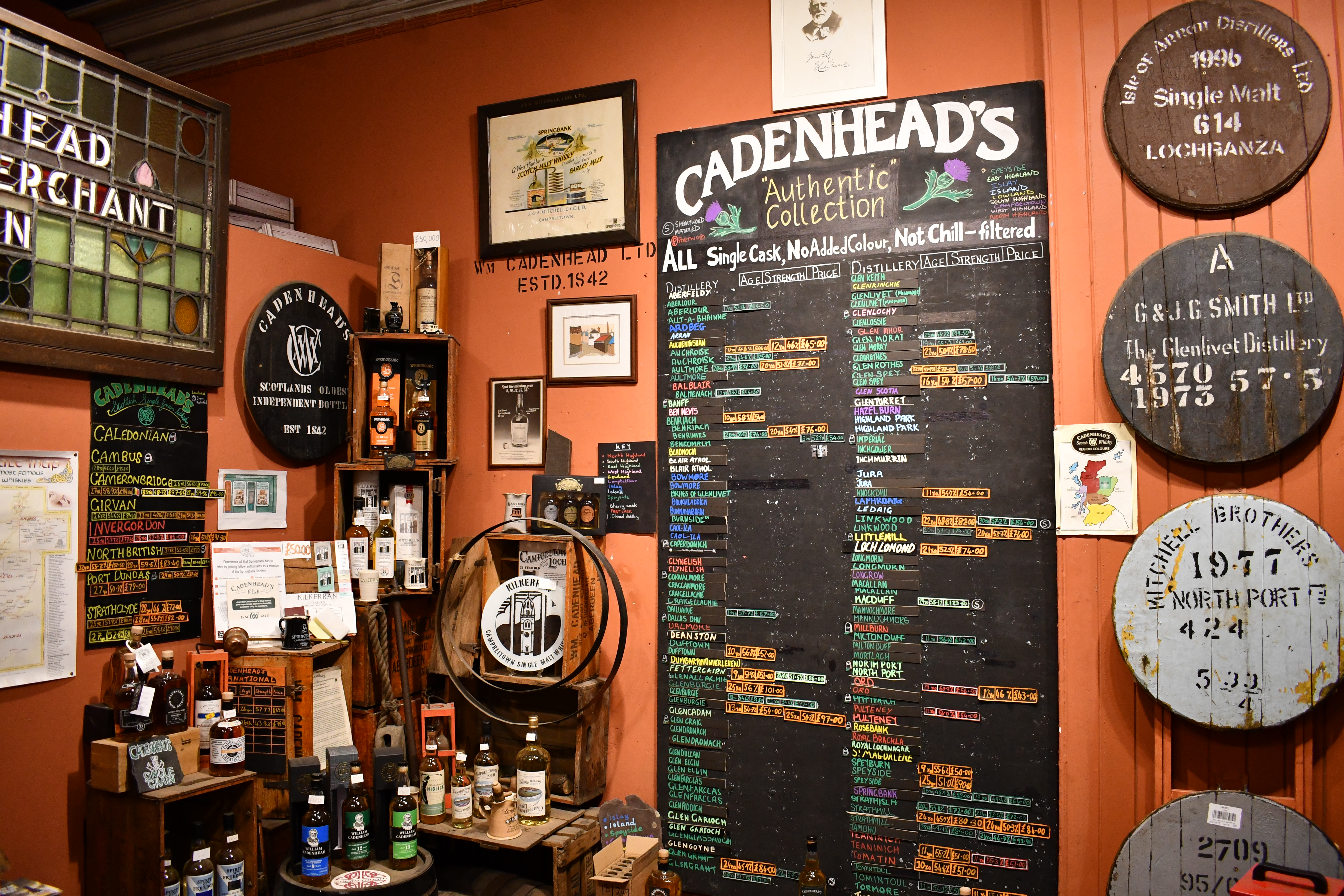
Cadenhead's Whisky Shop
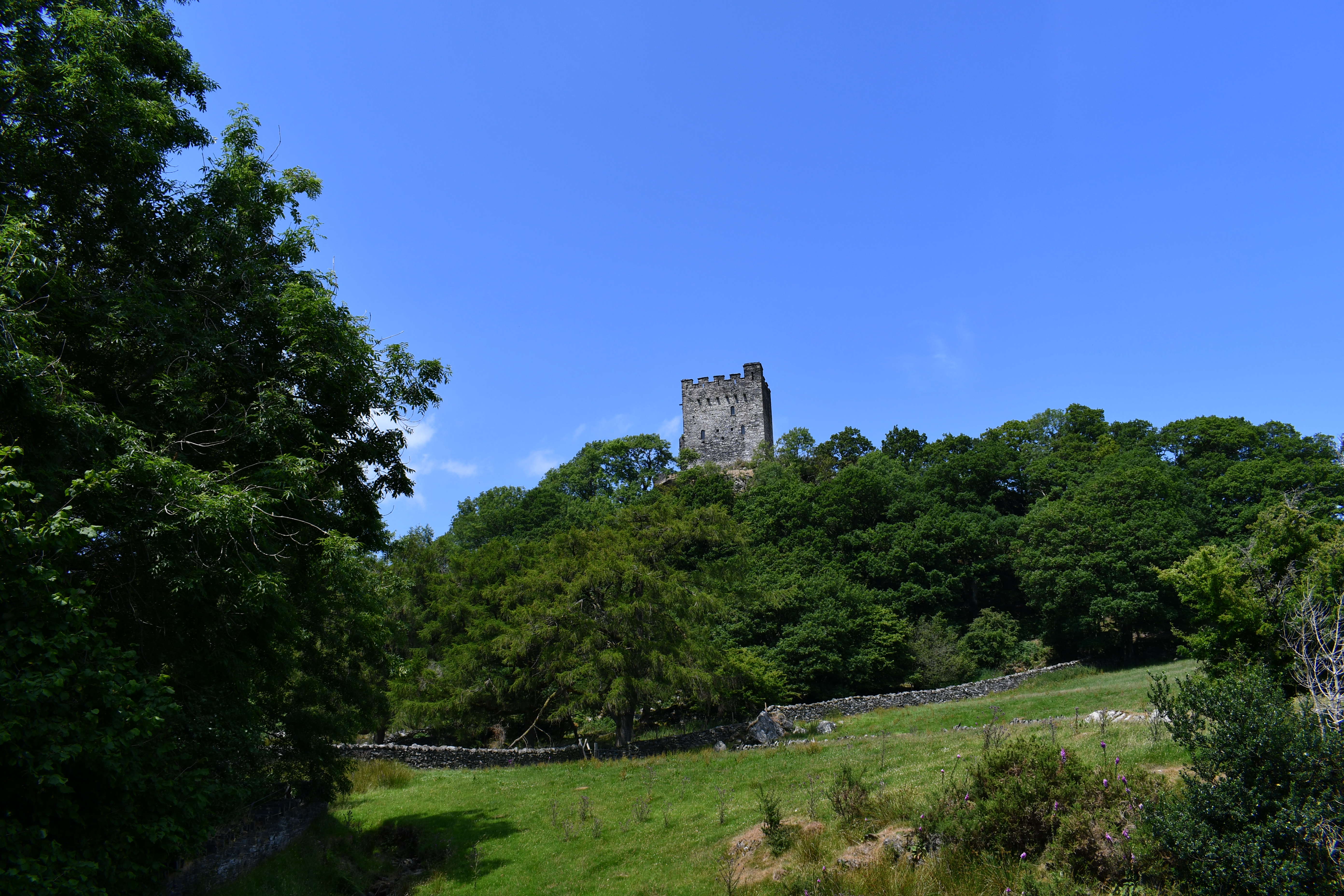
Castell Dolwyddelan
New Zealand

Moeraki boulders at dawn

Penguin crossing
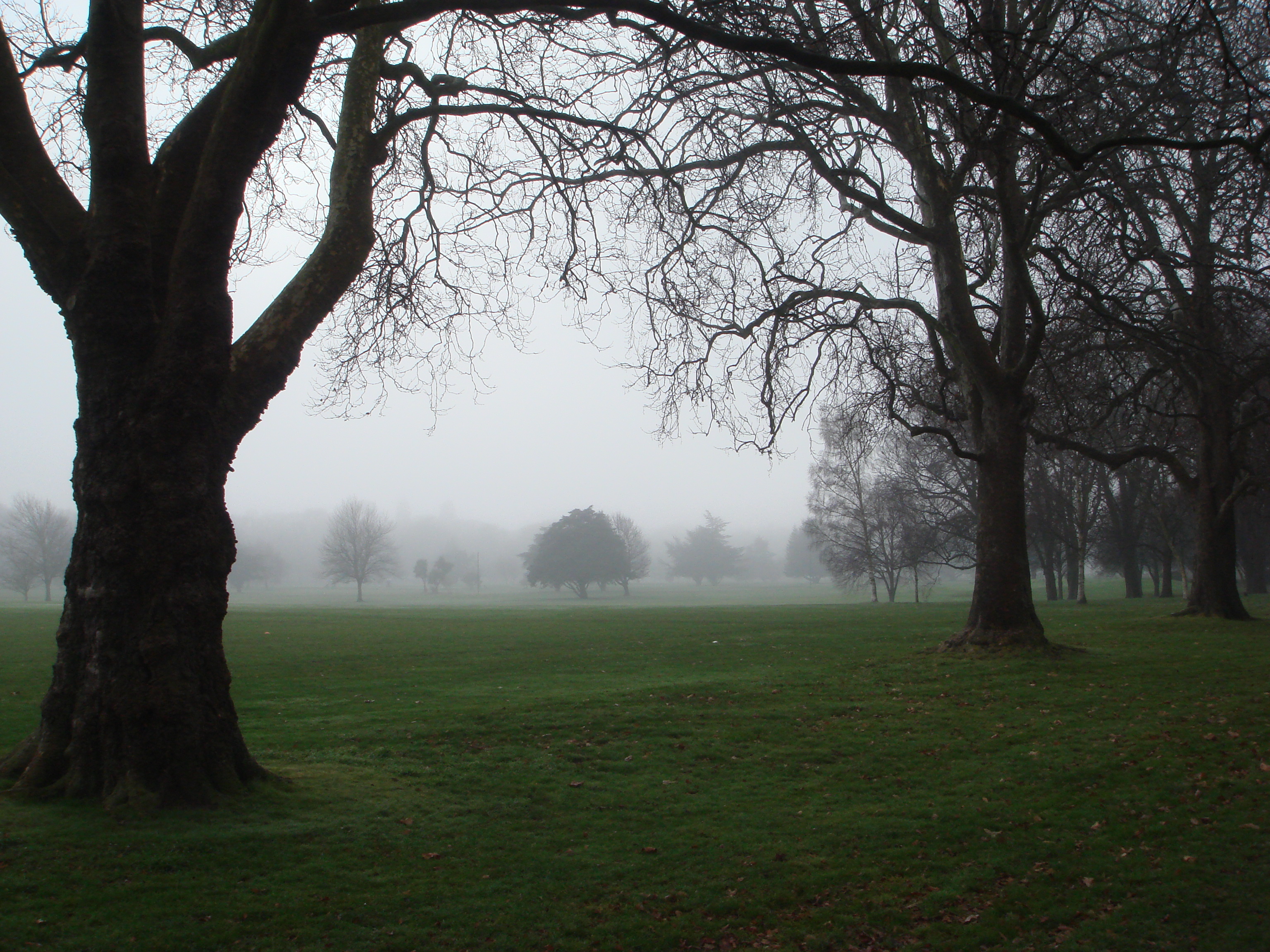
Mist in Hagley Park

Arthur's Pass

Fox glacier

Morning on Lake Manapouri
Fiction
I'm a genre fiction geek, especially for sci-fi/fantasy. I've also been known to settle down with a good mystery or spy novel. Beyond that, I'm a hobby writer when I can find the free time, and a sometimes-Hugo-Award-voter. This section of the site is dedicated to all things fictive.
Stories I Love
by Desmond Warzel
Extracts from the International Association of Time Travelers: Members' Forum.
by Charles Stross
Interesting stories get told at scientific conferences.
by Brandon Sanderson
The pain of living in your brother's shadow, except in space with lasers.
by Issac Asimov
"How can the net amount of entropy of the universe be massively decreased?"
So You Want to Be a Writer
Writing Excuses Podcast
This podcast, now in its 12th season, is run by four high-profile genre fiction authors: Brandon Sanderson, Dan Wells, Howard Tayler, and Mary Robinette-Kowal. Not only are their insights pretty phenomenal, but they regularly bring in guests for alternative perspectives. Podcast episodes run about 15 minutes—but they always end with a writing prompt, so you might wind up spending more time than that on each episode.
Brandon Sanderson's BYU Writing Class
Brandon Sanderson, one of the hosts of the Writing Excuse podcast and my favorite author, teaches a yearly creative writing class at Brigham Young University (BYU). His lectures occasionally get recorded and posted online (with his endorsement).
My Stories
Coming... eventually.
Links
On this page, I provide a number of links to content that's both statistics-related and statistics-unrelated. Access at your own risk.
Useful Statistics Software
The statistical analysis software R free to download and relatively easy to learn. I use it for most of my data analysis needs.
RStudio requires an installation of R, but makes managing R code and output much easier.
For Bayesian analyses, I tend to use JAGS—a program for performing Gibbs sampling from a specified model. JAGS is an acronym for Just Another Gibbs Sampler. A number of alternatives to JAGS exist, notably including Stan, and NIMBLE (which I like, but whose acronym is too long and arcane for me to bother repeating).
Fun Ways to Spend Your Time
If you're a graduate student, you should be working right now! Perusal of the following links is not advised.
Every statistician should know the online webcomic xkcd. There isn't enough statistics-related humor in the world, but what there is
can often be found in this comic.
If you have even the slightest inclination toward pop-culture geekery and you're looking to lose 2-3 days of your life, TV Tropes will
help you in your quest. (Graduate students, I warned you not to click these links.)
the fire is dead. the room is freezing.
Get back to work!!
Are you looking for UNM Statistics' other Dr. Christensen? You can find his webpage

Fletcher G.W. Christensen
Assoc. Professor of StatisticsOffice: SMLC 328
Spring 2026 Office Hours:- Tuesday 12:30pm – 1:30pm
- Thursday 12:30pm - 1:30pm